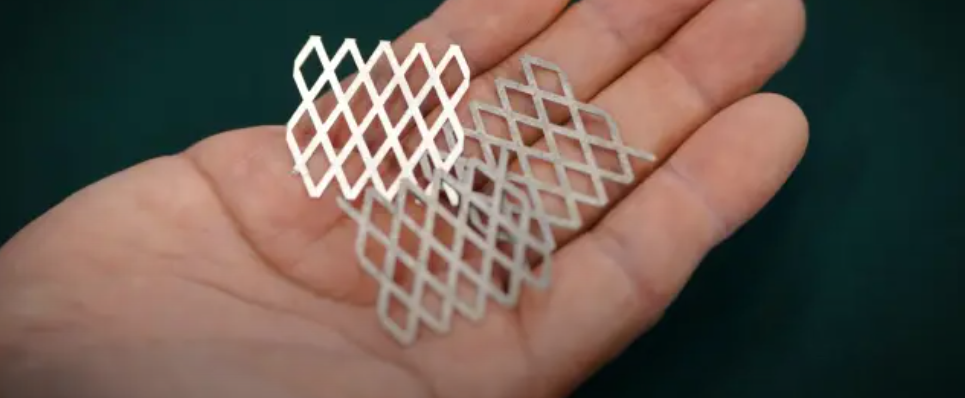
321 Stainless Steel Coil: Corporate Financing Continues to Improve
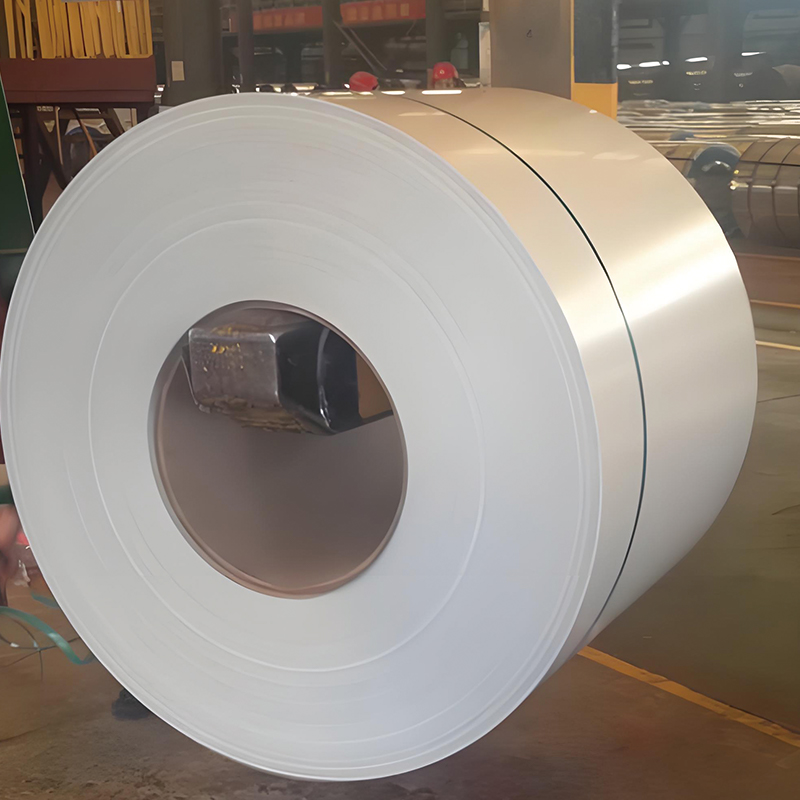
In the first half of 2026, the domestic monetary policy will adhere to a moderately loose structure, abandoning the approach of extensive liquidity injection. It will provide targeted support for infrastructure and high-end manufacturing, while strictly controlling the easing stimulus for the real estate sector. The differentiated pace of monetary supply directly created a structural market trend in the 321 Stainless Steel Coil market. The demand for steel from the three downstream industries - real estate, infrastructure, and manufacturing - showed a completely opposite situation.
The overall liquidity in the 321 Stainless Steel Coil market is abundant. However, enterprises have weak intentions for operation, expansion, and inventory replenishment. A large amount of funds are trapped in the financial system and are difficult to be transformed into effective demand in the real economy.
The corporate financing for 321 Stainless Steel Coil has continued to recover. Short-term loans, medium-term loans, and bill financing have all expanded simultaneously. The financing channels for 321 Stainless Steel Coil have been broadened and the costs have continued to decline. In sharp contrast, residential credit has continued to contract. In the first half of the year, overall residential loans decreased, short-term consumer loans dropped significantly, and only medium-term mortgage loans increased slightly. The overall willingness of residents to purchase houses and consume has been low.
At the macro level of prices, influenced by multiple factors such as the decline in international crude oil prices, seasonal adjustments, and industrial upgrading, the year-on-year PPI of the whole country continued to rise for four consecutive months in June. However, the month-on-month growth ended after eight consecutive months of increase and turned into a decline. The contradiction of excessive supply of domestic industrial products still remains prominent. The stainless steel coil market urgently needs an acceleration in infrastructure investment to drive industrial orders and release the demand for manufacturing steel products, in order to offset the pressure of insufficient domestic demand.